Gut Health and Serotonin: How Your Gut Affects Mood, Energy, and Mental Well-Being

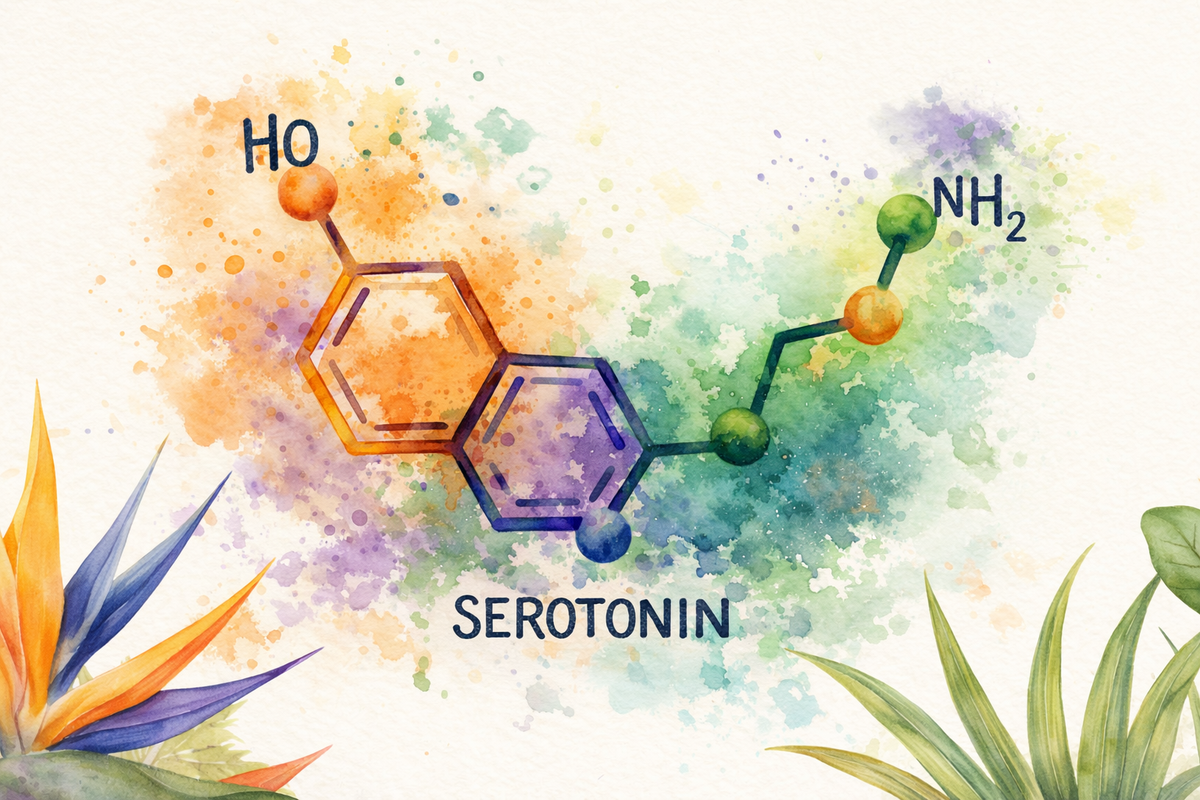
When most people think about serotonin, they think about the brain.
They think about mood, happiness, emotional balance, and that steady sense of well-being that feels so different from anxiety, irritability, or heaviness.
But serotonin is not just a brain story.
It is also a gut story.
In fact, a large portion of the body’s serotonin is produced in the gut, where it helps regulate digestion, communication between the gut and brain, and many of the rhythms that shape how we feel day to day. This is one of the reasons gut health matters so much more than people realize. The state of the gut does not just influence digestion. It can influence mood, stress resilience, inflammation, energy, and overall mental clarity.
What Is the Gut-Brain Axis?
The gut and brain are in constant conversation.
This communication system is often called the gut-brain axis. It is a two-way network linking the digestive system, the nervous system, the immune system, and the microbiome — the vast community of bacteria and other microbes living in the gut.
When the gut is healthy, this communication tends to work better.
When the gut is inflamed, depleted, or imbalanced, that communication can become disrupted.
This does not mean gut health is the only reason someone may struggle with mood. Mental health is complex. But it does mean the gut is one important piece of the picture, and one that is often overlooked.
How the gut influences serotonin
The gut helps shape serotonin in several ways.
First, the cells lining the digestive tract are involved in serotonin production. Second, the microbiome helps influence the environment in which neurotransmitters and their building blocks are made and used. Third, gut health affects inflammation, and inflammation can alter how the brain and body regulate mood.
The body also needs the right raw materials to support healthy serotonin pathways.
That includes enough protein, since amino acids help supply the building blocks for neurotransmitter production. It also includes a fiber-rich, plant-diverse diet that feeds beneficial gut bacteria. These bacteria produce compounds like short-chain fatty acids that help support the gut lining, regulate inflammation, and influence brain signaling.
In other words, a healthy gut is not built by accident.
It is built by what we repeatedly feed it.
Why modern life works against gut health and serotonin
Many women live in a state of low-grade depletion without realizing it.
They are under-eating protein.
They are eating the same few foods on repeat.
They are stressed.
They are sleeping poorly.
They are living with blood sugar swings.
They are relying on convenience foods that may be low in fiber and high in ingredients that do very little to nourish the microbiome.
Then they wonder why they feel flat, foggy, anxious, or exhausted.
The answer is not always in the gut, but the gut is often involved.
A microbiome that thrives on plant diversity, fiber, fermented foods, and steady nourishment tends to support a more resilient internal environment. A gut that is underfed, inflamed, or lacking diversity often does not.
Simple ways to support a healthier gut-brain connection
The good news is that supporting serotonin through the gut does not require a perfect diet or a complicated protocol.
It starts with consistent basics.
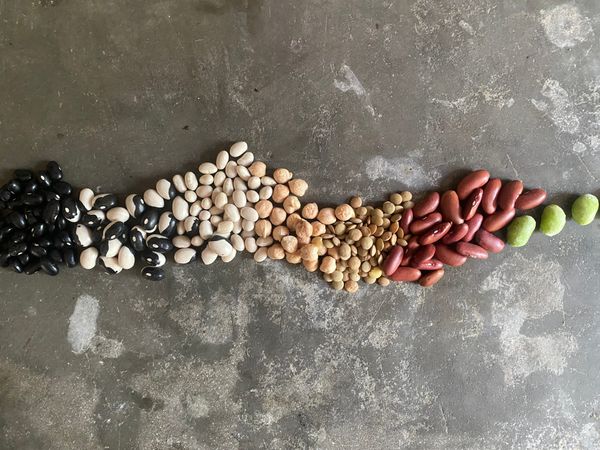
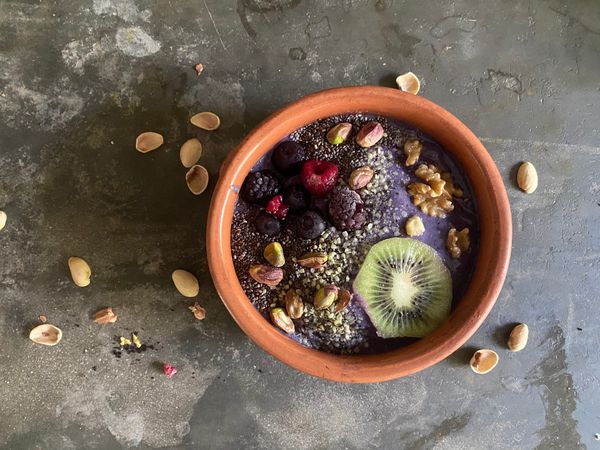
Protein in the morning can help stabilize blood sugar and provide raw materials the body needs. Fiber-rich plants help feed the microbiome. Fermented foods can help support microbial balance. Colorful herbs, seeds, legumes, vegetables, and whole foods all contribute to the diversity that the gut ecosystem depends on.
This is one reason I care so much about a protein-forward, plant-diverse way of eating.
It is not just about weight.
It is not just about digestion.
It is about creating the internal conditions for better energy, steadier moods, and a body that feels supported instead of inflamed.
What this means in real life
If you have been feeling off — more anxious, more tired, more irritable, more flat — it does not mean serotonin is the only issue.
But it may be worth asking whether your gut is being supported.
Are you getting enough protein?
Are you eating enough plants?
Are you feeding beneficial bacteria with fiber?
Are you including fermented foods?
Are you reducing the daily chaos of blood sugar crashes and nutrient gaps?
These are not glamorous questions, but they matter.
Because often the body begins healing in invisible ways before dramatic change appears on the outside.
Mood gets steadier.
Digestion gets calmer.
Energy lasts longer.
The afternoon crash softens.
You feel more like yourself again.
That is not a small thing.
Final thoughts
The link between gut health and serotonin is a reminder that the body is deeply interconnected.
The brain is not floating above the body, separate from it.
Mood is not separate from metabolism.
Mental clarity is not separate from nourishment.
How we feed ourselves matters.
When we nourish the gut with protein, plants, fiber, and diversity, we are not just supporting digestion. We are supporting one of the core systems that helps us feel grounded, energized, and emotionally well.
A healthier gut may not solve everything.
But it can change more than people expect.
Today's Macros
Calories: 1,700
Protein: 115g
Carbs: 165g
Fat: 65g
Plant diversity: 25