Heart Health

One of the things I didn't expect to change so quickly during this transformation is my cardiovascular health. I was already eating healthy and exercising before, but just these small tweaks to my diet and protein intake coupled with lifting have made a profound impact on my heart health.
For the past year I’ve worn an Oura ring, which quietly collects data about my sleep, recovery, and cardiovascular health while I sleep. One of the metrics it tracks is something called cardiovascular age. It’s calculated using pulse wave velocity, a measurement that reflects how stiff or flexible your arteries are. The more flexible your arteries, the easier blood can move through them and the healthier your cardiovascular system tends to be.
When I started this transformation, my cardiovascular age was essentially aligned with my chronological age. Nothing alarming, but nothing particularly remarkable either. Over the past few weeks, however, that number has started to move.
My pulse wave velocity dropped from around 7.0 meters per second to about 6.8–6.9. That might sound like a tiny change, but in cardiovascular terms it’s meaningful. As that number improved, my Oura data began estimating my cardiovascular age as younger than my actual age. This week my daily read is 5.5 years younger.
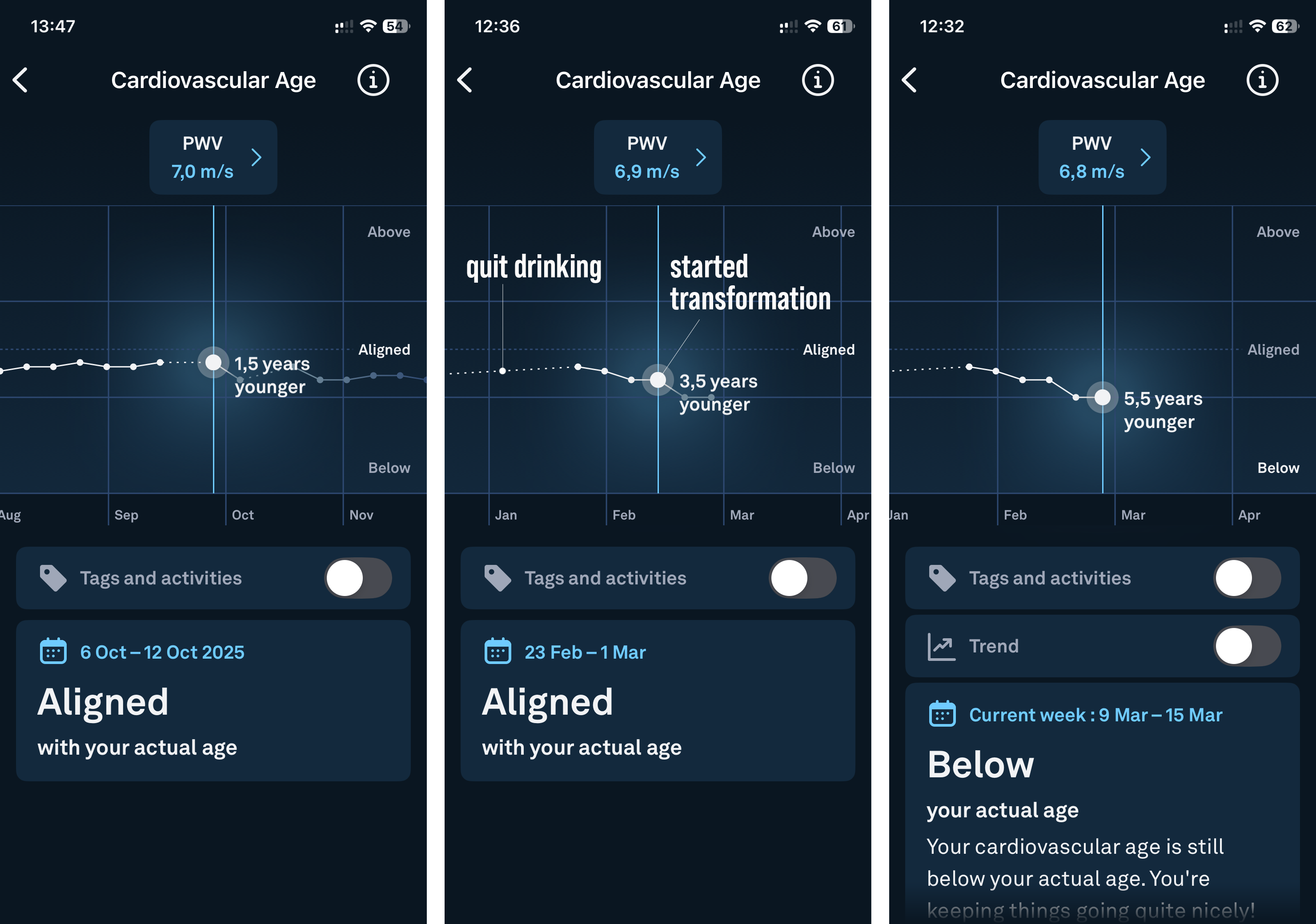
This is the kind of change that reminds me why I started documenting this experiment in the first place.
Most people think transformation is about weight loss. But weight is only one small piece of the puzzle. What I’m far more interested in is whether the body is becoming healthier at a deeper level. Are energy levels stabilizing? Is stress improving? Is muscle being built? Are the cardiovascular and metabolic systems functioning better?
Those are the signals that matter.
So far my routine has been surprisingly simple. I’m aiming for about 120 grams of protein per day, lifting weights three times a week, dramatically increasing plant diversity in my meals, and eliminating alcohol. None of these changes are extreme on their own. But together they appear to be shifting the internal environment of my body in a meaningful way.
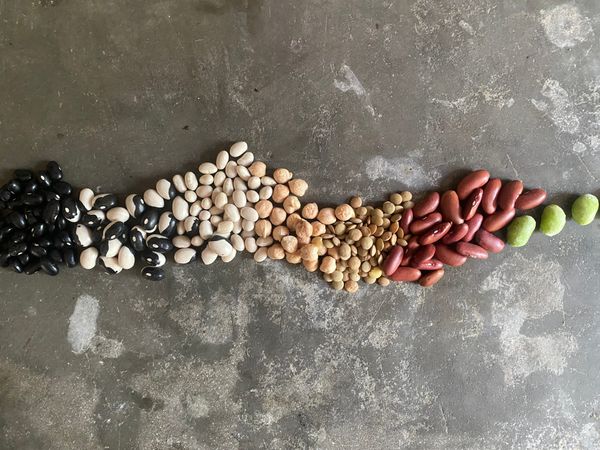
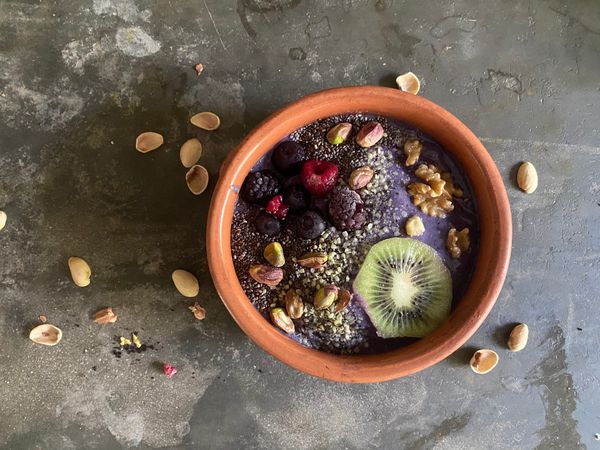
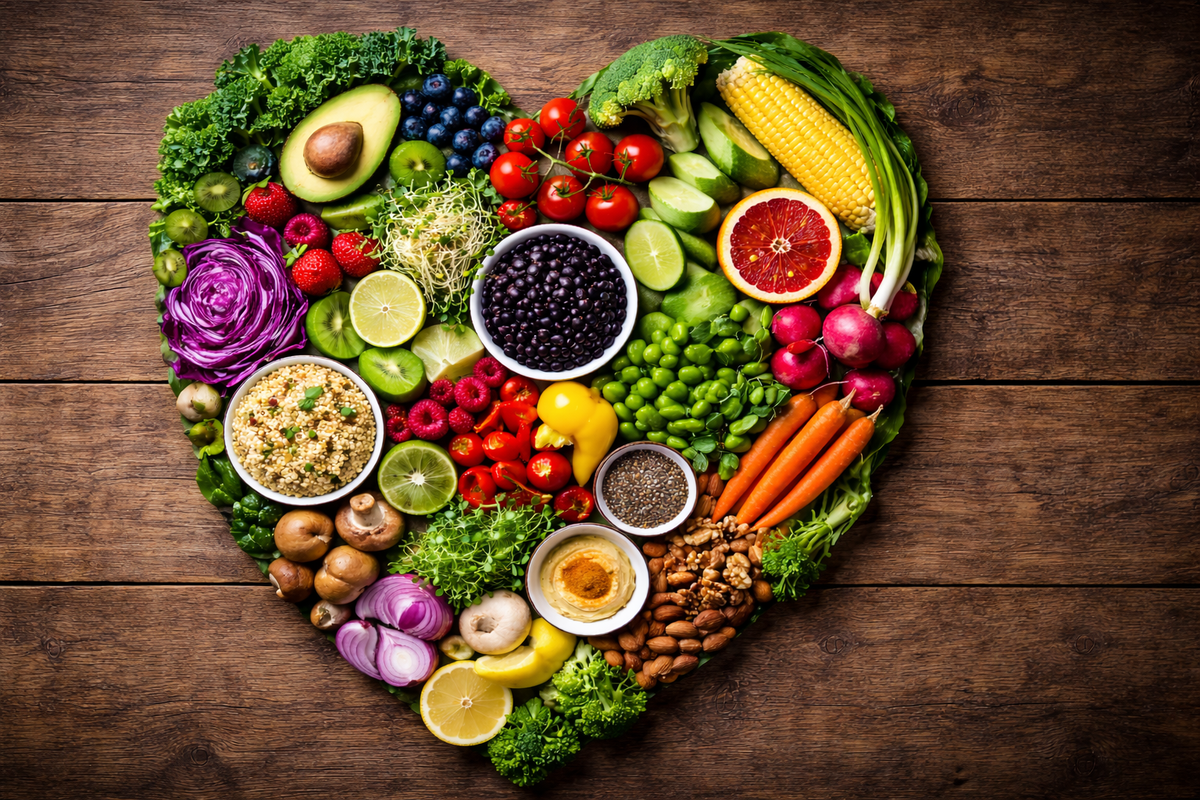
The heart-shaped image above represents something I’ve been tracking closely throughout this process: plant diversity. Last week alone I consumed more than sixty different plant foods. Leafy greens, herbs, seeds, legumes, vegetables, fruits, nuts, and fermented ingredients all contribute different fibers and phytochemicals that support the microbiome and metabolic health.
When I step back and look at the data, it becomes clear that this transformation isn’t about restriction. It’s about nourishment.
Instead of trying to force my body to lose weight, I’m focusing on creating the conditions where health can improve naturally. Strength training stimulates muscle. Protein supports recovery and metabolism. Diverse plants feed the microbiome. Reduced alcohol lowers inflammation. Lower stress allows the nervous system to shift out of constant fight-or-flight.
When these systems start working together, the body responds.
The scale may move slowly, but the deeper signals tell a different story. Energy is improving. Stress feels lower. Muscle is developing. And according to my wearable data, even my cardiovascular system appears to be getting younger.
For me, that might be the most interesting result of this entire experiment.
The scale measures gravity. Biology tells a much deeper story.