Good Energy, Fat Loss, and My 7-Day Metabolic Reset

93% of adults have metabolic dysfunction. It's why you can't lose weight, feel foggy, and are tired all the time." - Dr Casey Means, Stanford Physician and author of Good Energy.
Dr. Casey Means’ book Good Energy (available here as audio book, kindle, and paperback) has been sitting with me in a way that feels both simple and radical. The core idea is that metabolic health is not just about weight. It is about how well our cells create and use energy, and how that shows up in our mood, cravings, hunger, sleep, inflammation, focus, strength, and long-term health. Dr. Means describes “Good Energy” as a framework for understanding how metabolism connects to symptoms, disease, and how we feel day to day. (Casey Means MD)
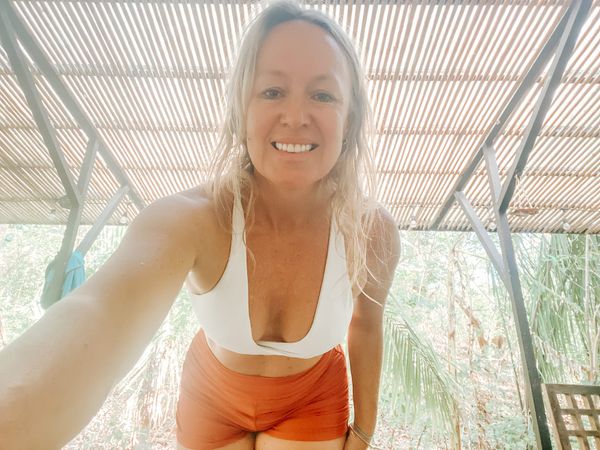
For the next seven days, I am treating my body like a living experiment. Not in a punishing way. Not in a “burn it all down and start over” way. But in a focused, grounded, data-meets-intuition way.
I am using her advice to guide a seven day cut phase - which means my goal is fat loss while protecting energy, mood, hormones, and all of the muscle I have worked so hard to build over the past few months of my personal transformation. I am not interested in starving my body smaller. I am interested in building a body that works better.
I will be blogging what I notice: changes in hunger, cravings, energy, digestion, sleep, mood, mental clarity, strength, and yes, fat loss.
The big shift for me is this: the answer is not always another drug, supplement, cleanse, or complicated protocol. For this week, I am focusing on the habits that are available to almost everyone — food, light, movement, sleep, muscle, fiber, and consistency.
The Nine Good Energy Habits I Am Testing This Week
1. I will walk for 10 minutes after every meal.
This is one of the simplest habits I am adding immediately. After I eat, I walk.
Not a hard workout. Not a power walk. Just 10 minutes of movement to help my muscles use the glucose from the meal. Research supports the idea that even short walks after eating can improve post-meal blood sugar, and a 2025 study found that a 10-minute walk right after glucose intake helped reduce glucose rise compared with staying still. (PMC)
2. I will eat mostly single-ingredient foods.
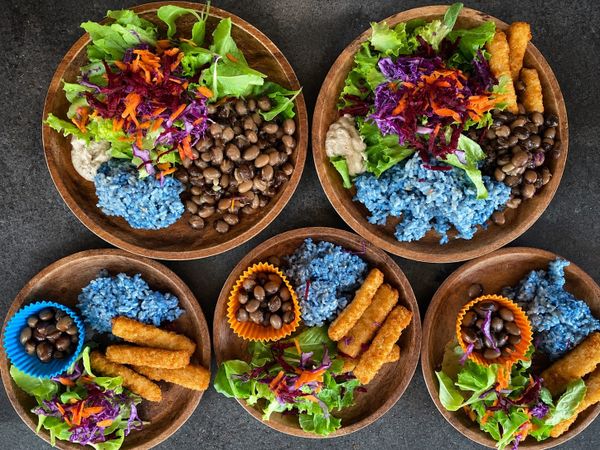
For the next seven days, I am aiming for whole, recognizable foods most of the time: eggs, tofu, fish, beans, lentils, vegetables, fruit, potatoes, rice, herbs, nuts, seeds, olive oil, fermented foods, and simple proteins.
This is not because processed food is “bad” in a moral sense. It is because whole foods make a cut phase easier. They are harder to overeat, more filling, and usually come packaged with fiber, water, minerals, and volume.
A controlled NIH study found that when people ate ultra-processed foods, they consumed about 500 more calories per day compared with an unprocessed diet, even when the meals were matched for calories, sugar, fat, fiber, and macronutrients offered. (Clinical Center)
That matters. Because fat loss is much easier when the food itself helps regulate appetite.
3. I will keep my eating window to about 8–10 hours.
This week I am creating a clear beginning and end to my eating window.
For me, that does not mean skipping both breakfast and dinner. It means choosing a realistic window that supports my life, training, family, and hunger. Dr Means recommends skipping either breakfast or dinner, but never both. For me, skipping breakfast is easiest.
The goal is not restriction for restriction’s sake. The goal is giving my body longer periods in ketosis, while still eating enough protein, plants, and calories to support muscle and metabolism.
4. I will protect sleep like it is part of the fat-loss plan.
Sleep is not optional in a cut phase.
When sleep gets sloppy, everything gets harder: cravings, hunger, patience, workouts, recovery, and blood sugar regulation. Research links short sleep and sleep deprivation with metabolic disruption, including insulin resistance and increased risk for obesity and diabetes. (PMC)
So this week, sleep is not the thing I sacrifice to “get more done.” Sleep is part of the work. Dr Means recommends a dark room, cooled to 65-68F, and going to bed at the same time every night.
5. I will train my metabolism three ways.
This week, my movement will include three different signals:
Zone 2 cardio to build endurance and mitochondrial health.
HIIT to improve efficiency.
Strength training that builds muscle that burns glucose 24 hours per day.
Muscle is one of the most important metabolic organs in the body. It stores and uses glucose, supports insulin sensitivity, and helps create a stronger body during fat loss.
The CDC recommends adults get at least 150 minutes of moderate-intensity aerobic activity per week, or 75 minutes of vigorous activity, plus at least two days of muscle-strengthening work. (CDC)
Dr Means says that missing one leaves your metabolism incomplete.
6. I will get morning sunlight within two hours of waking.
This is one of the most underrated habits.
Morning light tells the body, “The day has started.” It helps anchor circadian rhythm, which influences sleep, cortisol, melatonin, hunger, and metabolic timing.
So this week, I am getting outside early. No complicated protocol. No biohacking drama. Just light on my face with no sunglasses, and preferably while walking.
This is one of those habits that feels almost too simple to matter — until you do it consistently.
7. I will use fiber before meals.
This matters because one of the most talked-about weight-loss drugs, Ozempic, works by activating GLP-1 pathways connected to appetite, satiety, and blood sugar regulation. But GLP-1 is not something Big Pharma invented. It is a hormone the body already makes for free.
That does not mean medication has no place. But it does mean I want to understand and support the natural systems my body was designed to use. Fiber, protein, plants, and gut health can all help strengthen the body’s own appetite and blood sugar signals.
For me, this is the heart of the Jungle Momma philosophy: more plants, more fiber, more gut support, and more metabolic steadiness — not by overriding the body, but by working with it.
GLP-1 is not something Big Pharma invented. It is a hormone the body already makes for free.
8. I will end showers with 30 seconds of cold water.
I am adding 30 seconds of cold water at the end of my showers.
Cold exposure sends a powerful signal to the body. It challenges the nervous system, may activate brown fat, and asks the body to generate heat — a process that can temporarily increase energy burn.
And this is where the Big Pharma and supplement industry conversation matters: we are constantly being sold pills, powders, and “metabolism boosters” that promise to activate energy, burn fat, or improve mitochondrial function. But some of the most basic metabolic signals are free.
Cold water is free.
Walking is free.
Sunlight is free.
Sleep is free.
Strength training can be free.
That does not mean every supplement is useless or every medication is bad. It means I want to stop outsourcing every metabolic signal to an industry that profits from my disconnection from my own body.
So for the next seven days, I am using 30 seconds of cold water as a simple, uncomfortable, no-cost metabolic practice — one that reminds my body how adaptive it was designed to be.
9. I will move for two minutes every 30 minutes.
Research shows that this matters more than your work outs.
A workout does not erase an entire day of sitting because sitting locks glucose channels in your cells. So this week, I am interrupting long sitting blocks with tiny movement breaks: walking, squats, calf raises, stairs, mobility, or just getting up and moving around the house.
This is not exercise. This is circulation. This is glucose disposal. This is telling my body: we are not sedentary creatures.
My Seven-Day Focus
This week is not about doing everything perfectly.
It is about seeing what happens when I stack simple metabolic habits together:
Walk after meals.
Eat mostly real food.
Shorten the eating window.
Protect sleep.
Train with purpose.
Get morning light.
Use fiber strategically.
Practice cold exposure.
Break up sitting.
I am especially curious to track what changes first.
Will my cravings shift?
Will my hunger feel calmer?
Will my digestion improve?
Will my sleep deepen?
Will my workouts feel stronger?
Will I feel leaner, lighter, clearer, steadier?
That is what I am watching.
This Is My Cut Phase, But Not a Punishment Phase
I want fat loss, yes.
But I do not want the old version of fat loss — the one built on shrinking, white-knuckling, skipping meals, ignoring hunger, and measuring worth by the scale.
This cut phase is different.
This is about metabolic leadership.
This is about listening closely.
This is about building a body that feels powerful from the inside out.
Day One starts today.
I will report back with what I feel, what changes, what feels hard, and what actually works in real life.
Because the goal is not just weight loss.
The goal is Good Energy.